
July 29-31, 2025
Training of Trainers (ToT) on PRA Tools, Integrating Social Accountability Monitoring and Initiatives
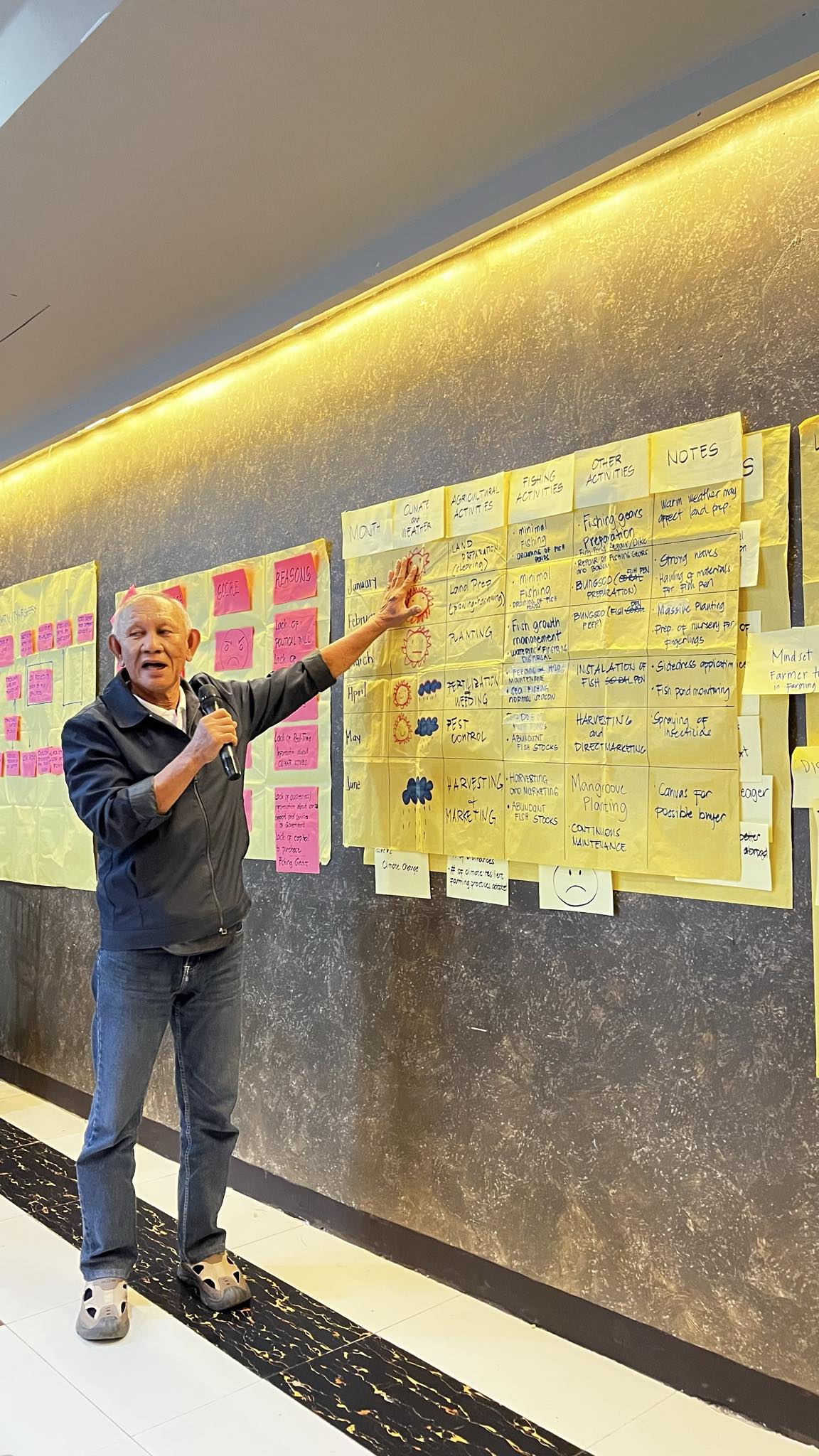
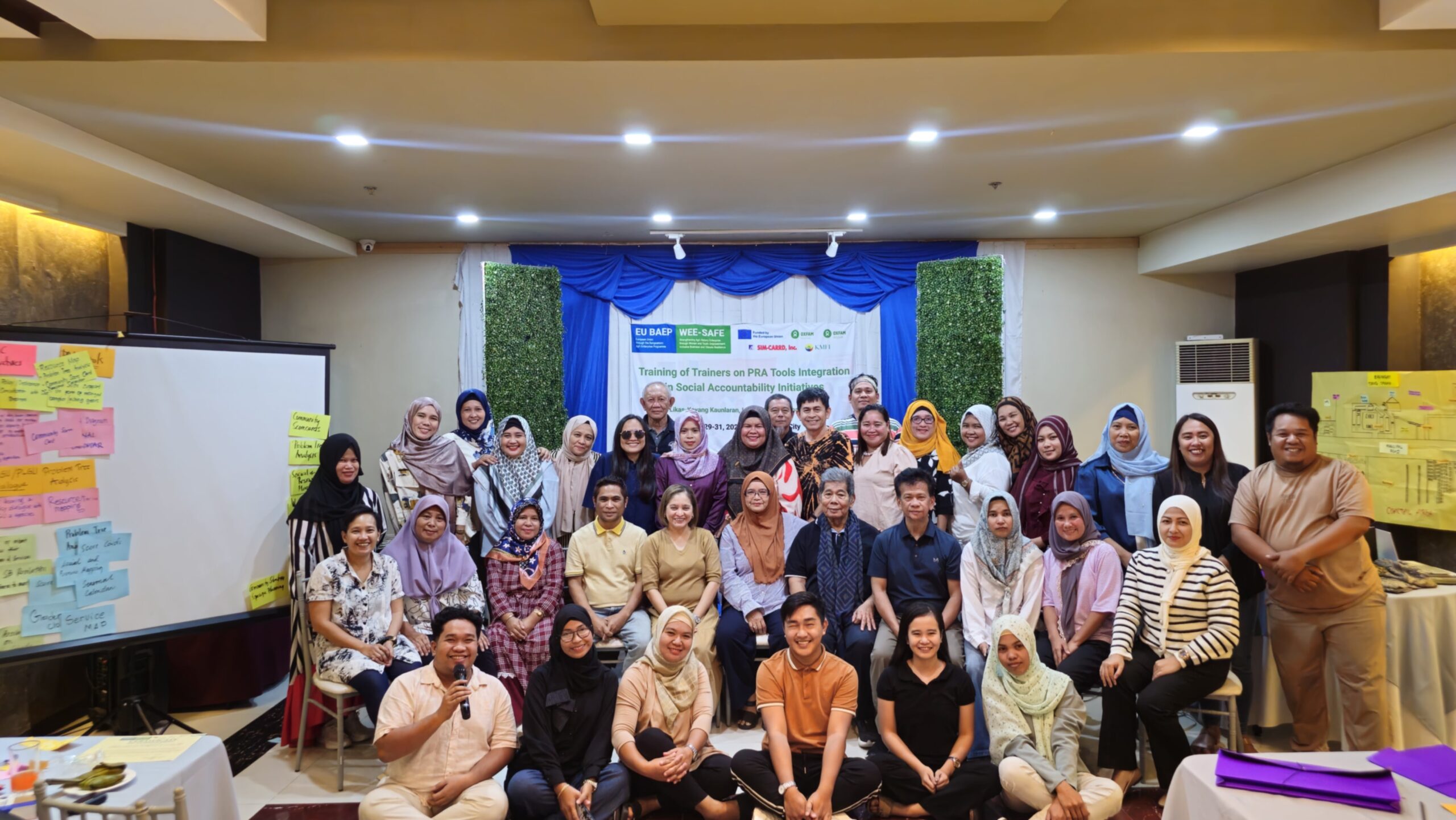
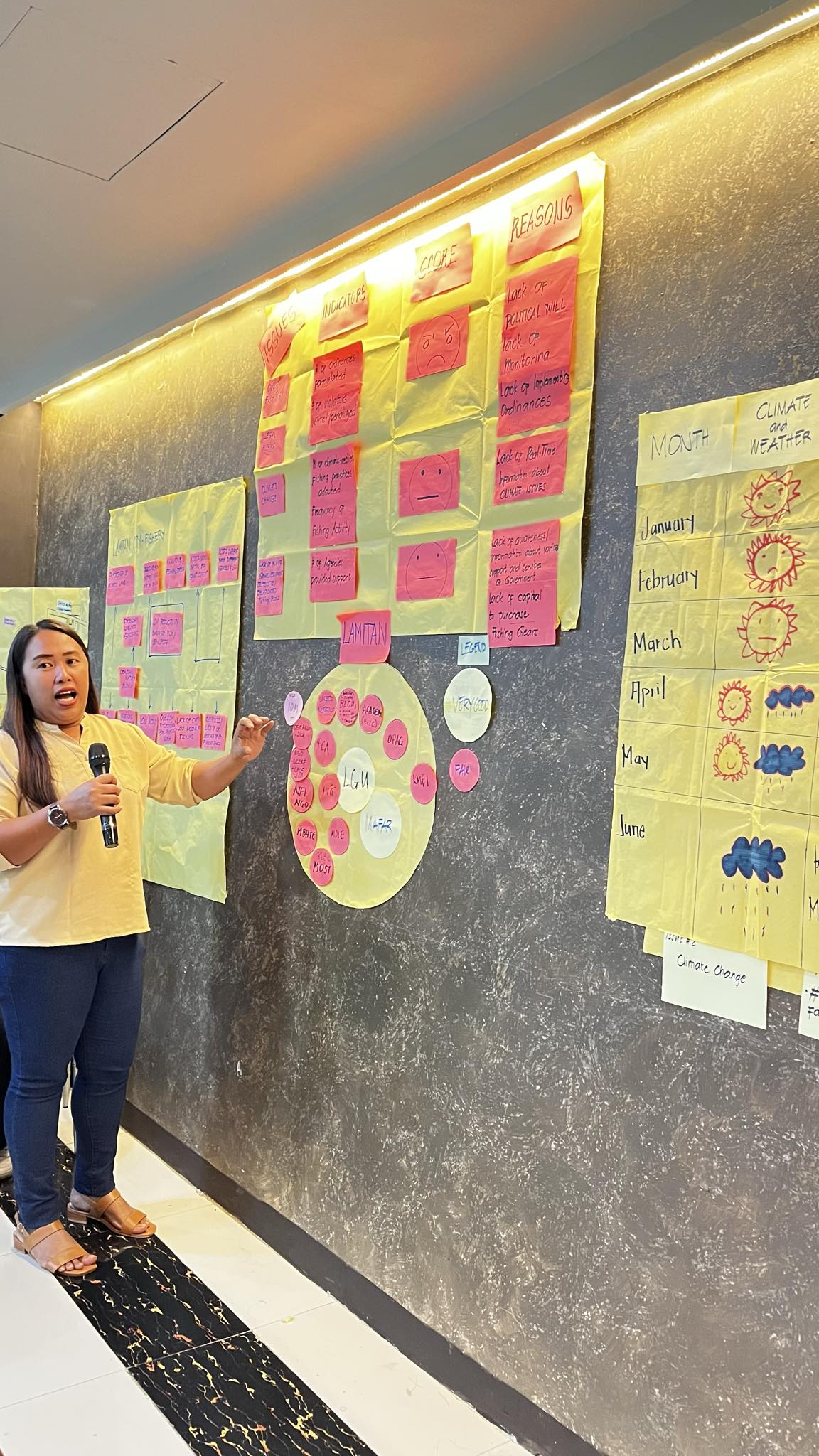
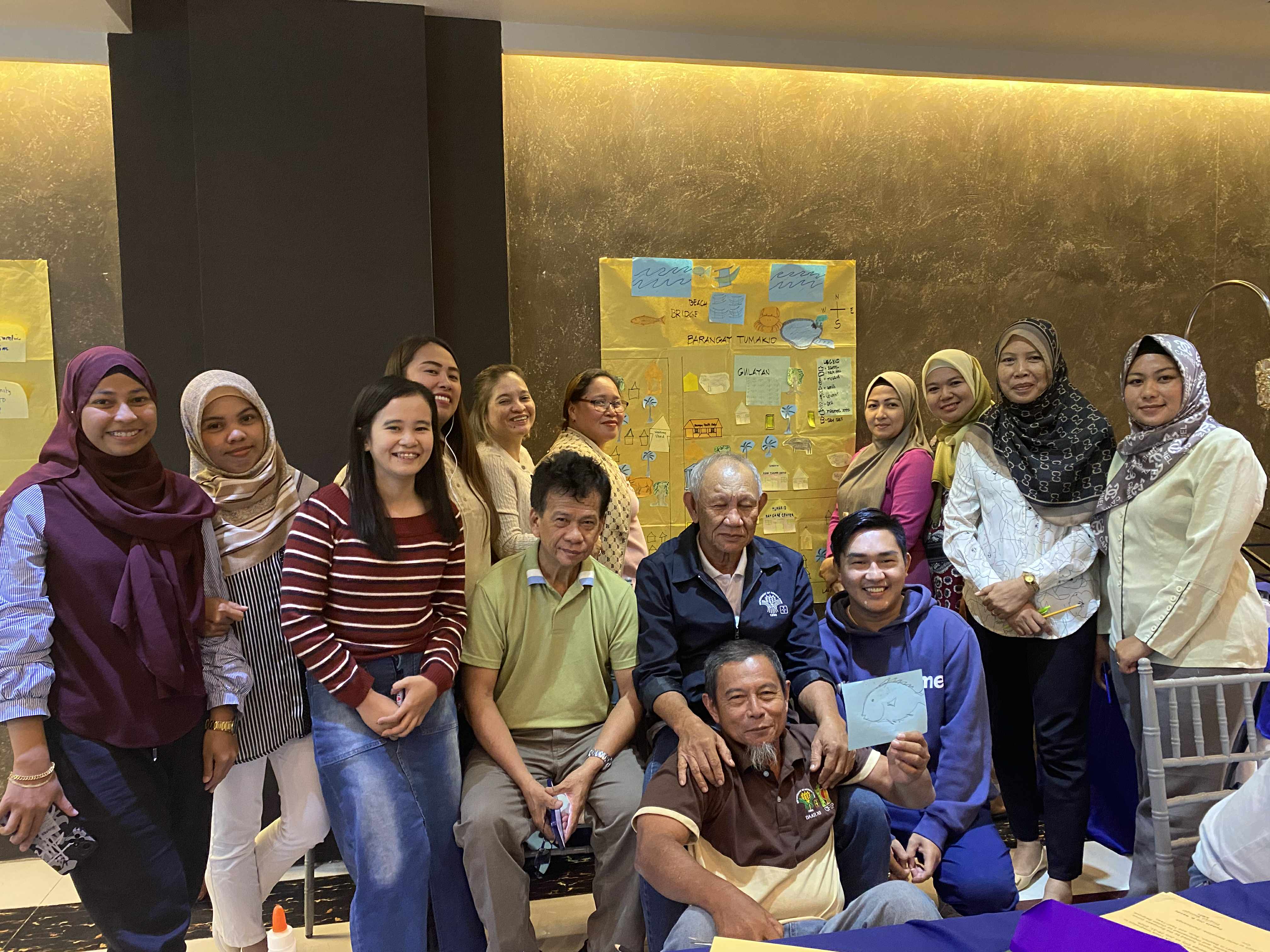
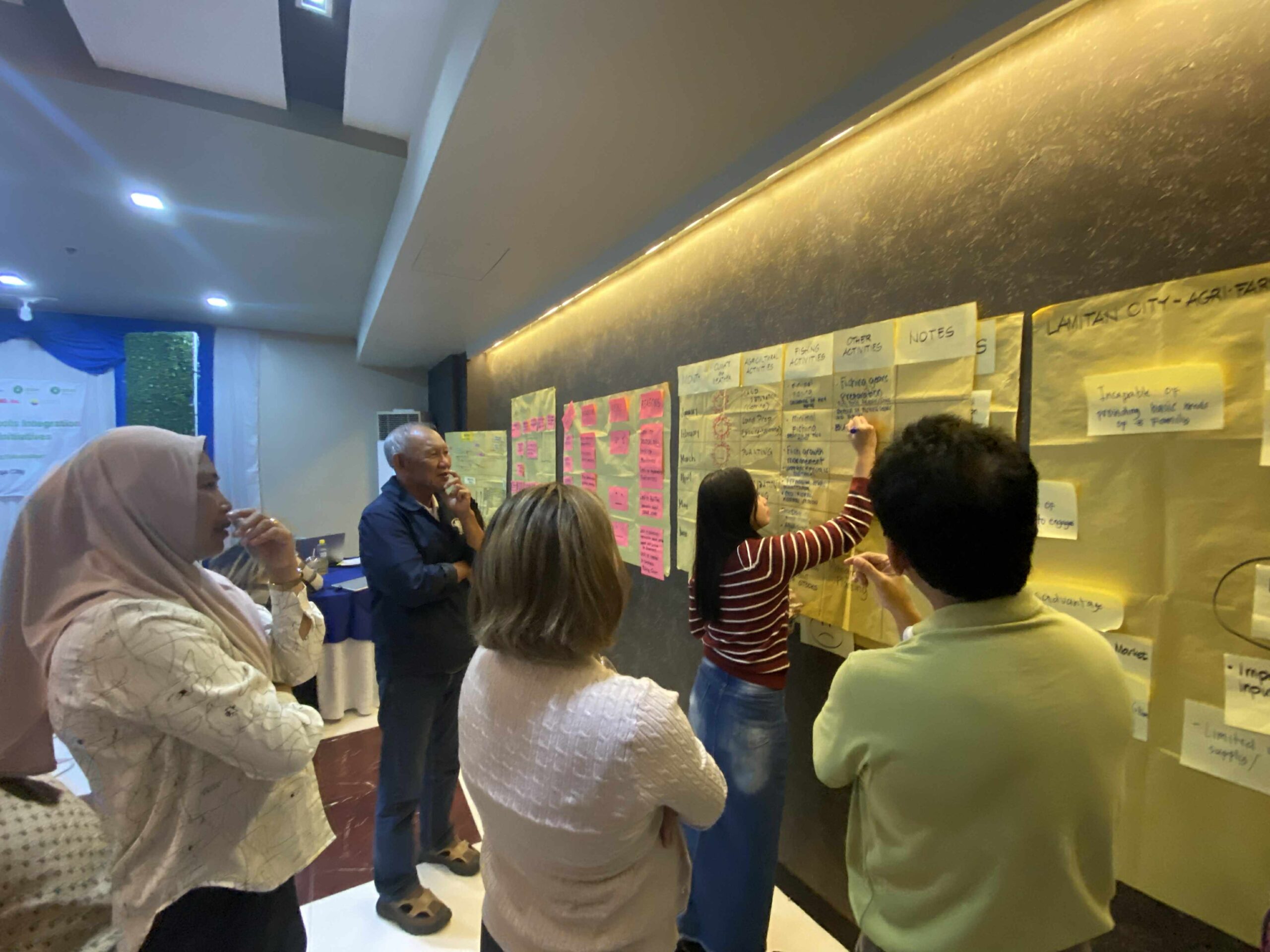
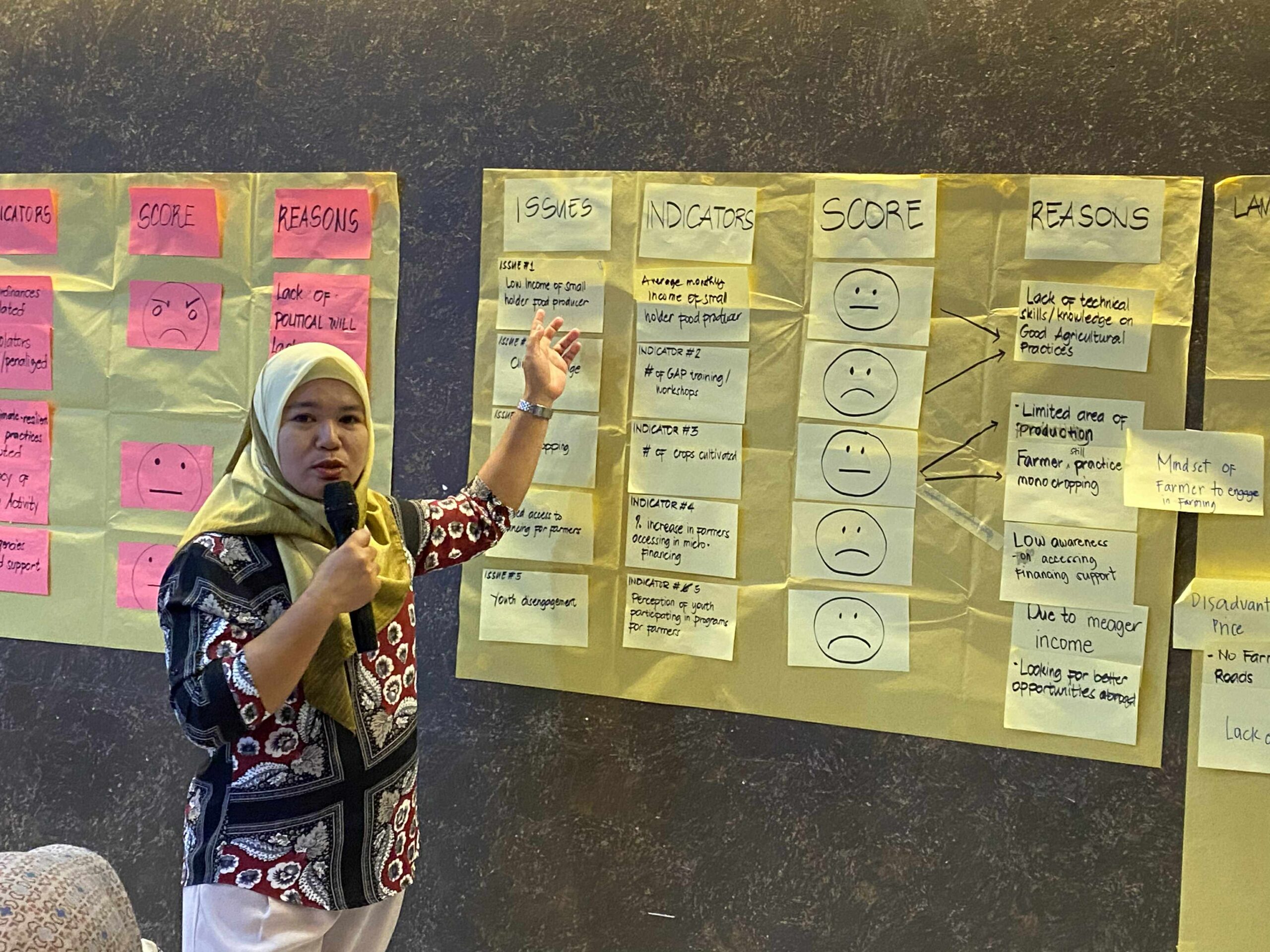
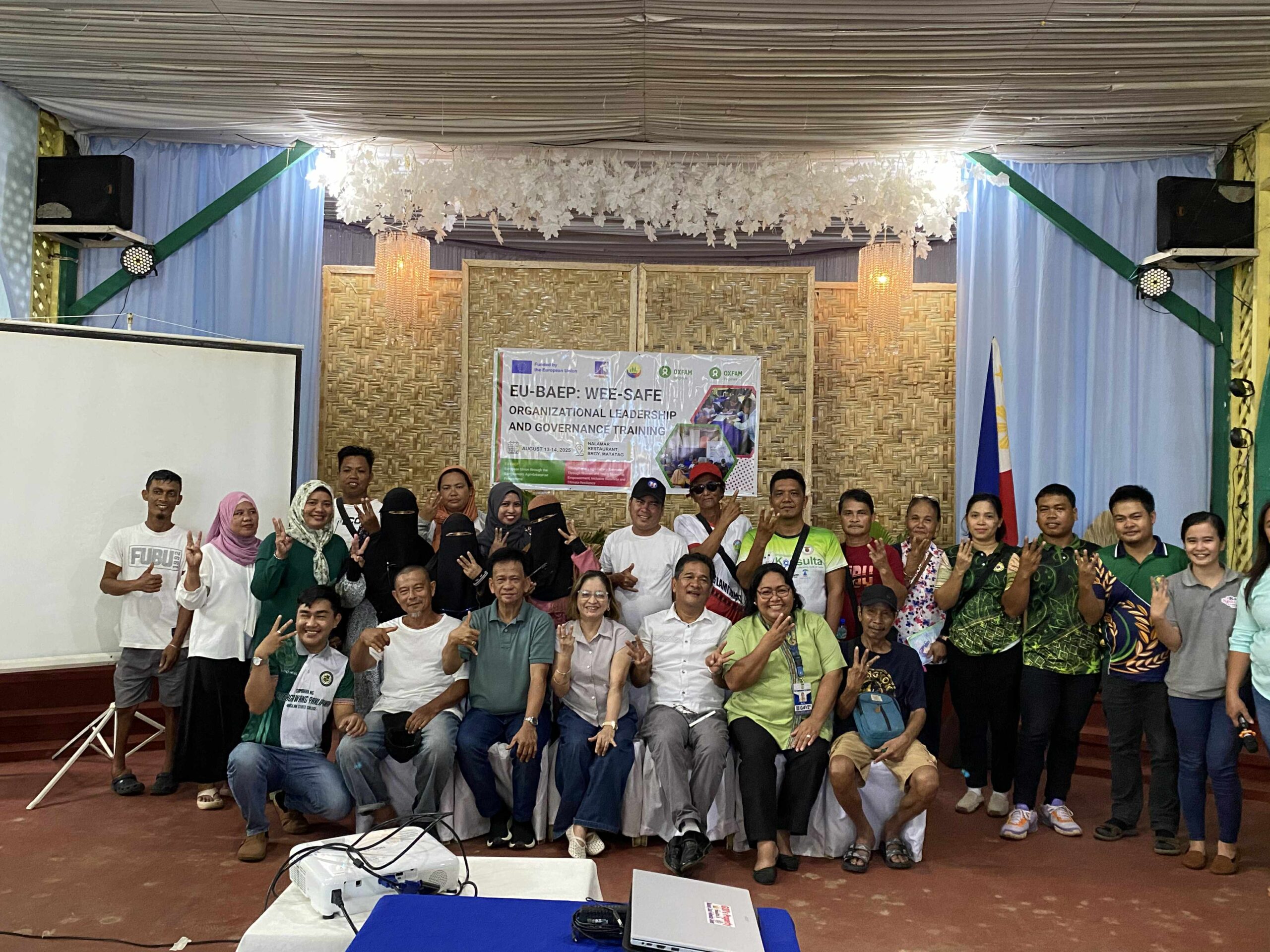
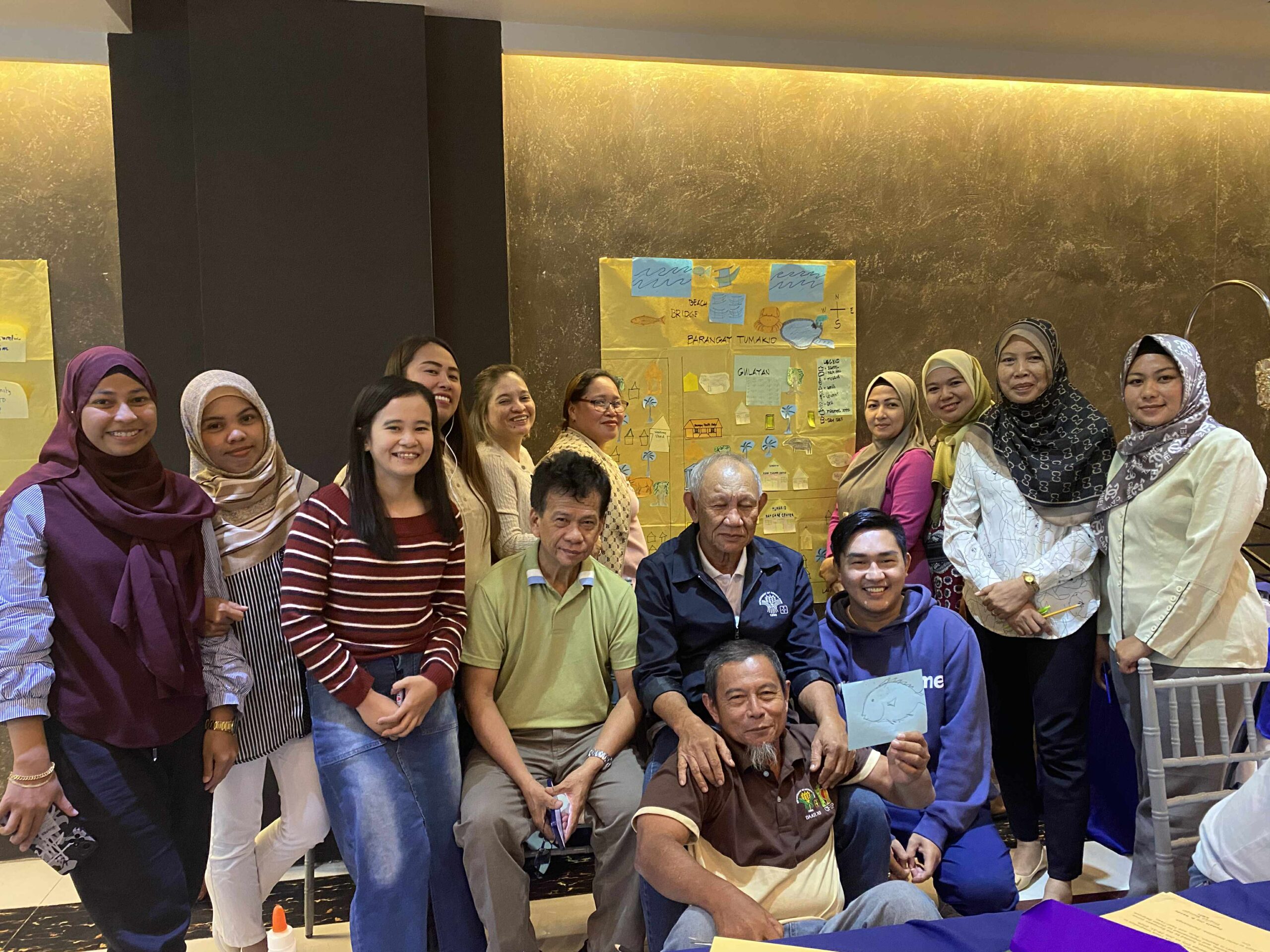
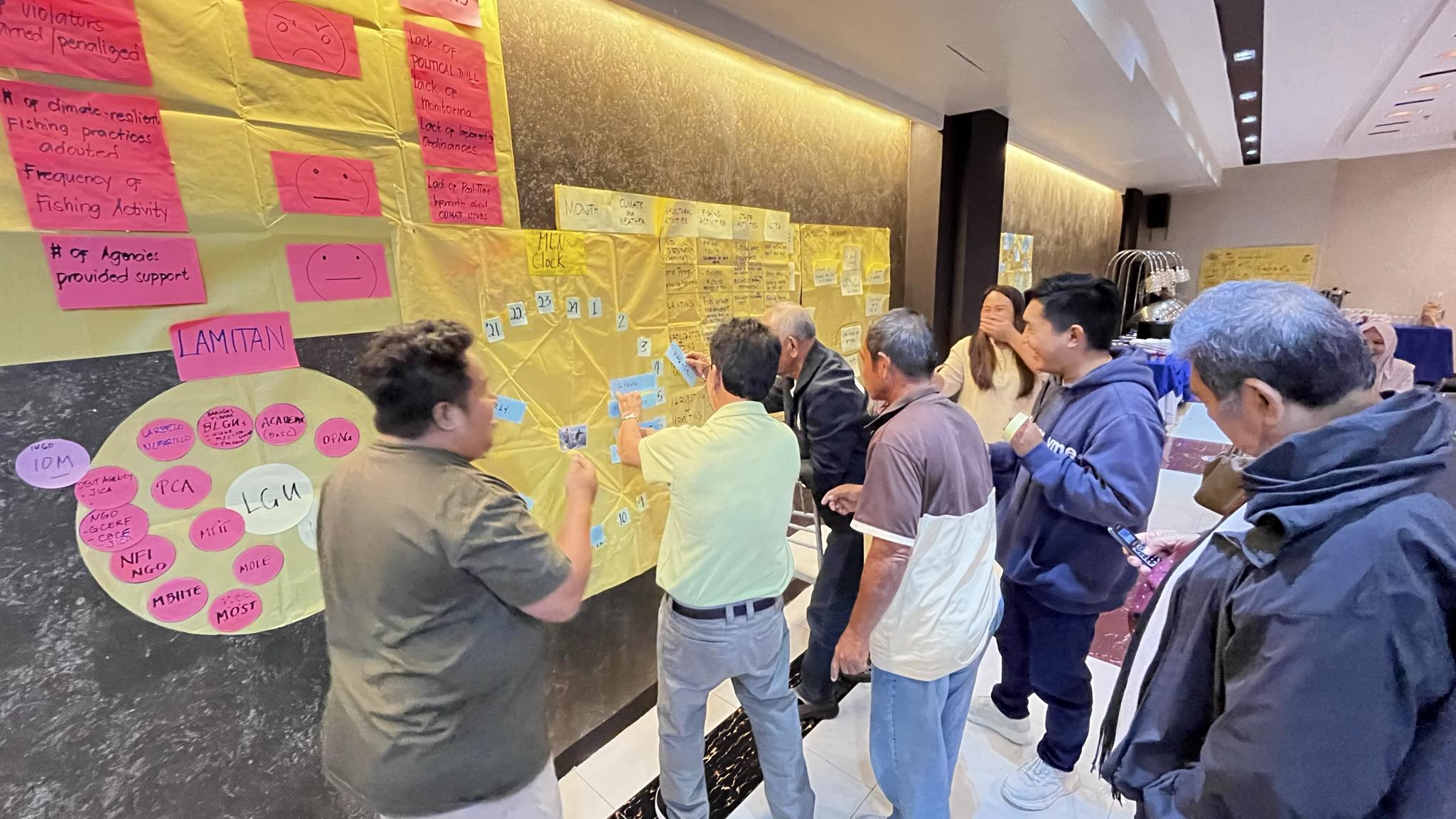
The Training of Trainers (ToT) on PRA Tools, Integrating Social Accountability Monitoring and Initiatives, held on July 29–31, 2025, at Hotel Marcelina, Zamboanga City, was a three-day program under the WEE-SAFE Project, “Strengthening Agri-fishery Enterprises through the Empowerment of Women and Youth, Promotion of Inclusive Business Models, and Enhancement of Climate Resilience,” designed to enhance participants’ skills in participatory planning, inclusive governance, and community development. Participants from Basilan, Sulu, and Tawi-Tawi engaged in lectures, workshops, and hands-on exercises covering Participatory Rural Appraisal (PRA) tools such as Social and Resource Mapping, Wealth Ranking, Seasonal Calendars, Problem Tree Analysis, Venn Diagrams, Gender Clocks, and Community Score Cards, applied to assess local issues and co-develop solutions. Key challenges identified included declining seaweed prices in Tawi-Tawi, low farmer and fisher incomes in Lamitan City due to limited infrastructure and climate vulnerabilities, and resource and transportation issues in Sulu, alongside common issues such as weak policy enforcement, limited access to capital and technology, poor coordination among stakeholders, gendered unpaid care burdens, and low youth engagement. Participants practiced applying these tools to identify root causes, map institutional relationships, analyze gendered workloads, and facilitate citizen-led monitoring and accountability, culminating in community planning sessions prioritizing feasible and relevant interventions, including livelihood support, capacity-building programs, policy enforcement, and strengthened partnerships with LGUs and agencies. The training emphasized local ownership, GEDSI integration, evidence-based planning, and multi-stakeholder collaboration, equipping participants with practical knowledge and strategies to promote inclusive, transparent, and sustainable agri-fishery development and replicate climate-resilient and equitable initiatives across marginalized communities in BARMM.
Add a Comment